Message on the International Day for the Eradication of Poverty
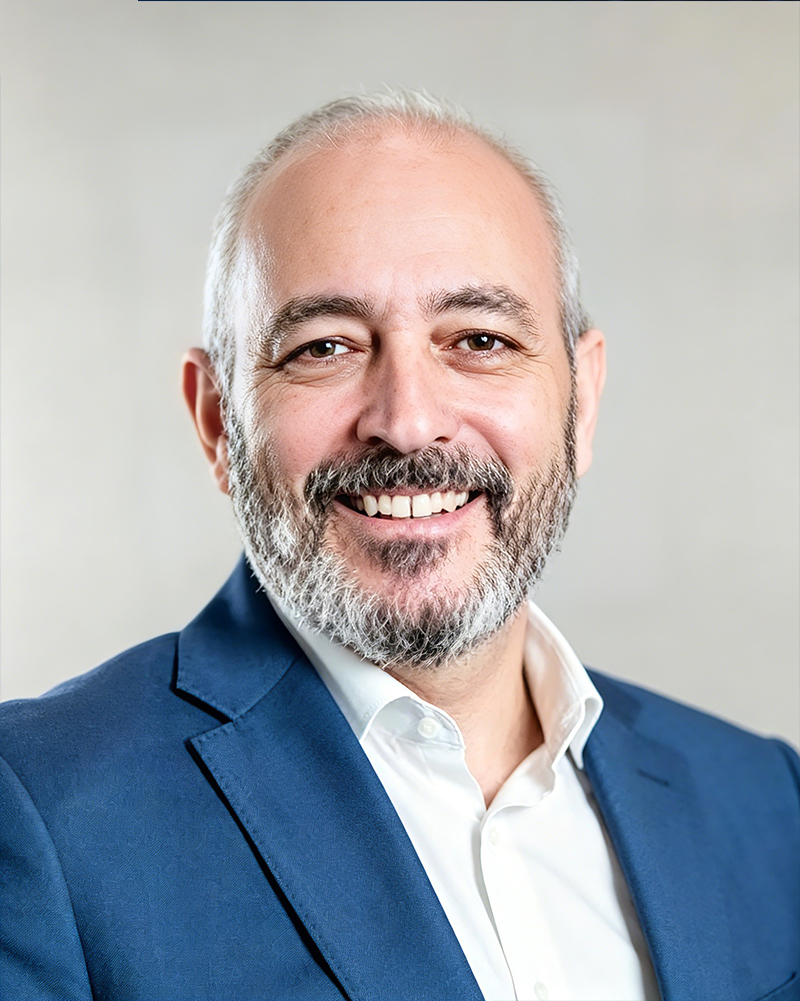
Marcos Neto
Vice-Chair, GPPAD Committee
UN Assistant Secretary-General
Director of UNDP's Bureau for Policy and Programme Support
The International Day for the Eradication of Poverty reminds us of UNDP’s core purpose: Promoting inclusive economic growth, decent jobs, and human development. Today, 1.2 billion people live in multidimensional poverty, according to the 2026 update of the Global Multidimensional Poverty Index (MPI) from UNDP and the Oxford Poverty and Human Development Initiative. For the first time since 2010, that number has increased. More than half are children.
Compounding crises around the world risk pushing more people into precarity. UNDP estimates that rising food and energy prices, caused by the Middle East conflict, could plunge an additional 130 million people into poverty, including 66 million into extreme poverty. The unfolding energy crisis is disrupting trade, raising the cost of food and threatening livelihoods in developing economies that are already vulnerable to external shocks.
A job is not a guaranteed way out of poverty. Globally, 284 million people work and still live on less than $3 a day, seven in ten of them in Africa. At least 1.35 billion workers live on less than $8.30 a day. More jobs alone will not reduce poverty. What matters for the working poor is creating better jobs - ones that are more productive, higher paid and secure. UNDP’s modeling shows that doubling the productivity of the poorest workers could raise GDP in low-income countries by up to a fifth and could pull 268 million people out of poverty. This requires scaling integrated, multidimensional solutions.
Many countries are already leading the way. Thirty-three countries have cut multidimensional poverty by at least half in under 15 years. China offers a powerful example of large-scale poverty reduction achieved through sustained policy commitment, targeted poverty alleviation measures, and investments in rural development. The country lifted more than 800 million people out of extreme poverty over four decades. It started by making existing work more productive. China understood that poverty goes beyond income, investing in adequate nutrition, education, medical care and safe housing. Strong institutional coordination and implementation capacity helped translate these investments into results at scale. The approach of measuring multidimensional poverty has also guided provincial budget allocations in Mozambique and has been officially adopted in Colombia as a framework for poverty reduction.
South-South cooperation remains essential for sharing knowledge. For twenty years, with the support of UNDP, the International Poverty Reduction Center in China has trained more than 16,000 practitioners from 142 countries. Lasting impact requires capabilities, institutions and partnerships that can connect experience with action.That is the ambition behind the Global Partnership for Poverty Alleviation and Development — to move from individual country experiences to collective learning, from knowledge exchange to practical solutions, and from shared challenges to shared action. As Vice-Chair, I see three priorities:
Prioritize measuring multidimensional poverty. Make MPI a shared evidence base for partners to close critical gaps in our understanding of poverty: By measuring local and targeted MPIs, we can better understand how different groups of working people, like women and girls, are affected by multidimensional poverty. This then allows us to craft solutions.
Harness private capital for better jobs. Private investment is critical to creating higher-quality jobs and reducing poverty, especially in crisis and fragile contexts. Through UNDP’s Investment Accelerator and Jobs for Prosperity Facility, we will continue working with governments and partners to produce real opportunities that transition people from poverty to prosperity.
Direct climate finance to where poor communities need it most: Look at both poverty and climate threats when planning public spending. About 887 million people living in poverty are exposed to climate disasters, but climate funding rarely reaches them based on their actual needs.
The opposite of poverty is not just income. It is prosperity, security, and dignity. Let us build prosperity together.
