From October 16 to 29, 2025, the “Seminar on Poverty Reduction and Development under GDI” hosted by the Ministry of Commerce and organized by the International Poverty Reduction Center in China (IPRCC), was successfully held in Beijing and Fujian.
The 14-day program brought together 27 officials from 7 countries, including Cabo Verde, Guyana, Jordan, Nigeria, Sierra Leone, South Africa, and Tanzania. Dr. Liu Junwen, Director General of the IPRCC, attended the country speech and exchange session. Ms. Jie Ping, Deputy Director General of the IPRCC, attended the opening ceremony and delivered opening remarks. Ms. Jiao Dian, Deputy Director General of the IPRCC, attended the closing ceremony and delivered closing remarks. Mr. Subhan Neaz Mohamed, Commissioner of the Ethnic Relations Commission of Guyana, and Mr. Asenga Erick Richard, Commercial Sales Manager of Marie Stopes International of Tanzania, spoke on behalf of the participants at the opening and closing ceremonies, respectively.
Focusing on the theme of “Poverty Reduction and Development,” the seminar included thematic lectures and cultural exchange activities in Beijing, as well as a field visit to Ningde City in Fujian Province, where participants observed projects related to industrial poverty alleviation, rural construction, and cultural tourism integration.
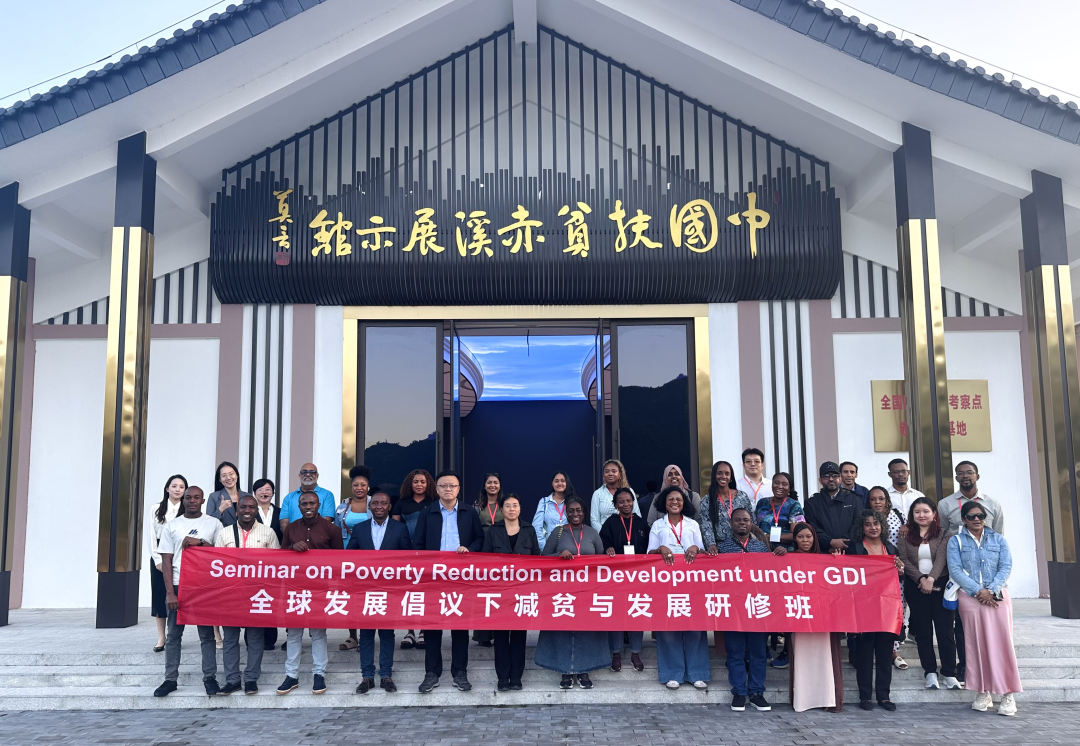
Asenga Erick Richard, representative of the participants noted, “This seminar stands out because it goes far beyond classroom learning. It has been a living, experiential classroom. We had the unparalleled opportunity to move beyond theory and witness tangible change with our own eyes. Traveling to villages that have successfully lifted local people out of absolute poverty, and walking through the detailed poverty alleviation exhibition halls, it provided us with a three-dimensional understanding of this monumental achievement. We saw, first-hand, the results of targeted strategies: the development of specialty industries like mushroom farming and biotechnology, and research institutes that turned barren land into sources of sustainable income. We witnessed the power of e-commerce platforms in connecting rural products to national and global markets. We learned about the critical role of improved infrastructure—roads, bridges, and internet connectivity—that brought villages into the mainstream of economic life. Most importantly, we met the people. We saw the determination in the eyes of the local leaders and the pride in the faces of the villagers who are now architects of their own prosperity. This human-centric approach, this commitment to “no one left behind,” is the most valuable lesson we are taking home.”

During the field trip, participants visited to the China Edible Mushroom Industry Management, the edible mushroom wholesale market in Gutian City and Institute of Mycology, and Fujian Agriculture and Forestry University (Gutian) to inspect the edible fungus industry to promote agricultural efficiency and increase farmers' income.
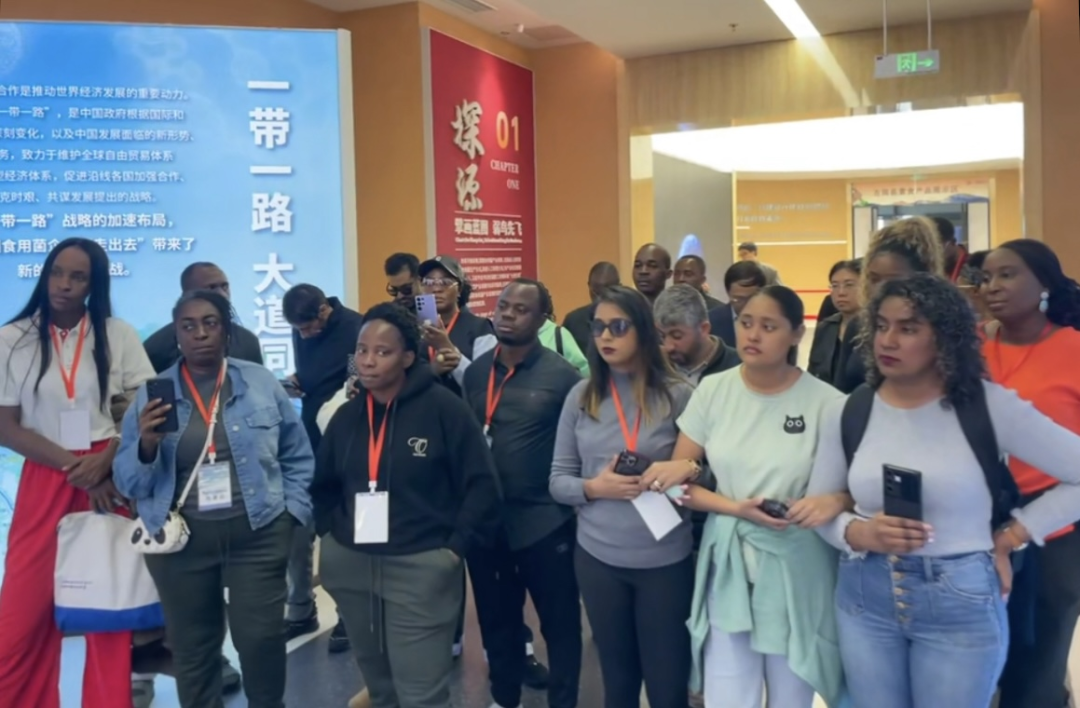
As the seminar concluded successfully, participants from different countries departed with a wealth of insights and inspiration. Many expressed sincerely that China’s achievements have strengthened their belief that the dream of eradicating poverty in their own countries is both real and attainable.
