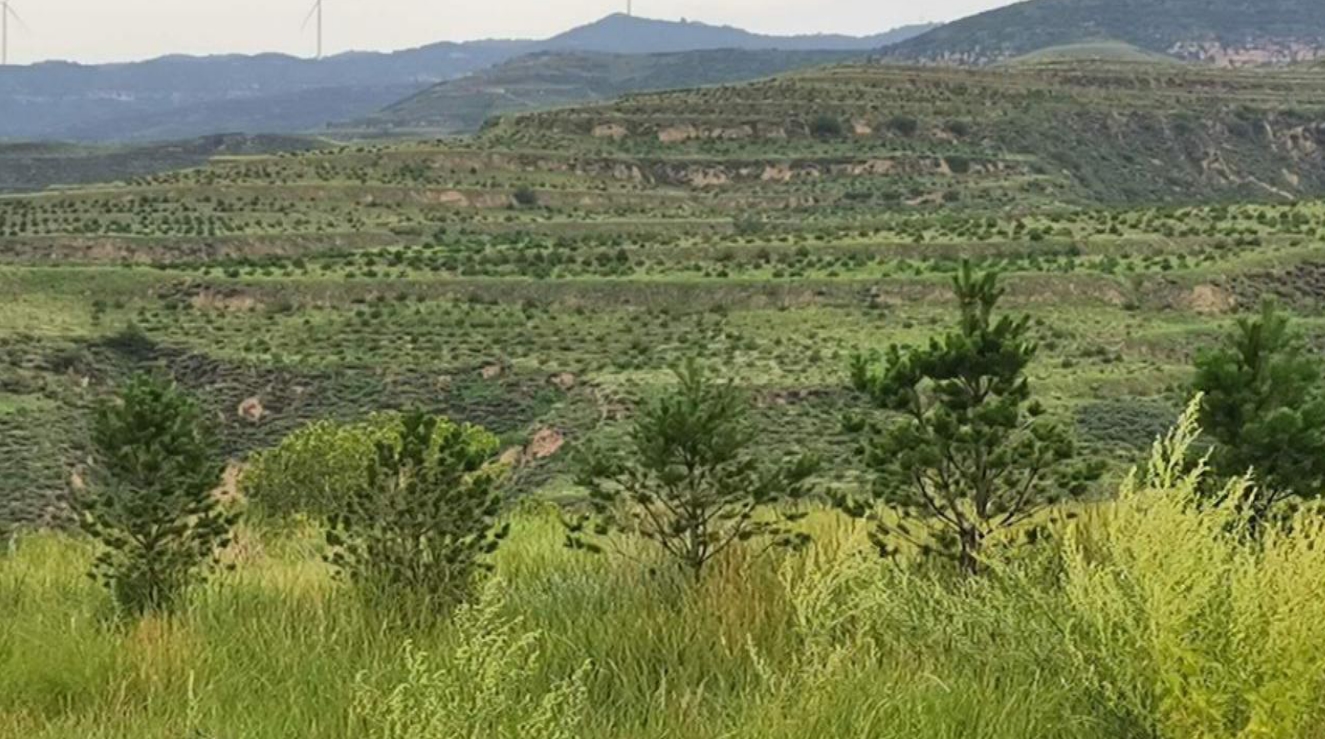
Dongkouzi Village is a poor village in Hekou Town, Lanxian County. Located at the juncture of Lanxian, Xingxian and Kelan, it is 40 kilometers away from downtown Lanxian. The village has no resources and poor industrial basis, and villagers mainly live on agriculture. It is a typical ecologically fragile and economically backward area. There were 1253 villagers in the village that includes 651 registered poor villagers in 2014. The total arable land area in the village is 2300 mu (153 hectares), most of which is barren hills and slopes. The cooperative led poor villagers to plant typical trees that have higher economic value, carry out deep processing of farm products, and create jobs for poor villagers. Thus, increasing the members’ per-capita income by over 5,000 yuan. Poor villagers engaging in afforestation have increased their per-capita income by 4,000 yuan, and the whole village has been lifted out of poverty.
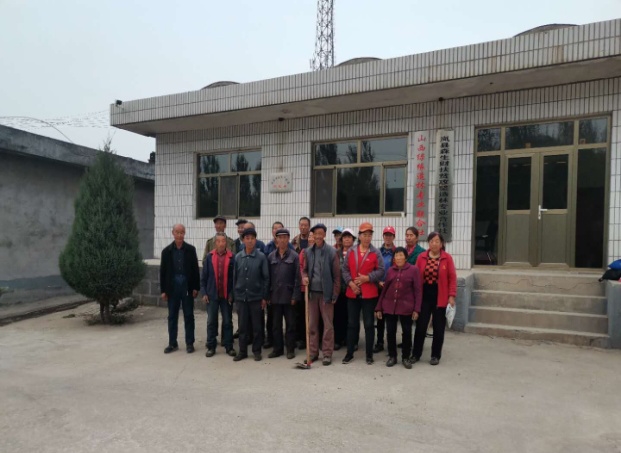
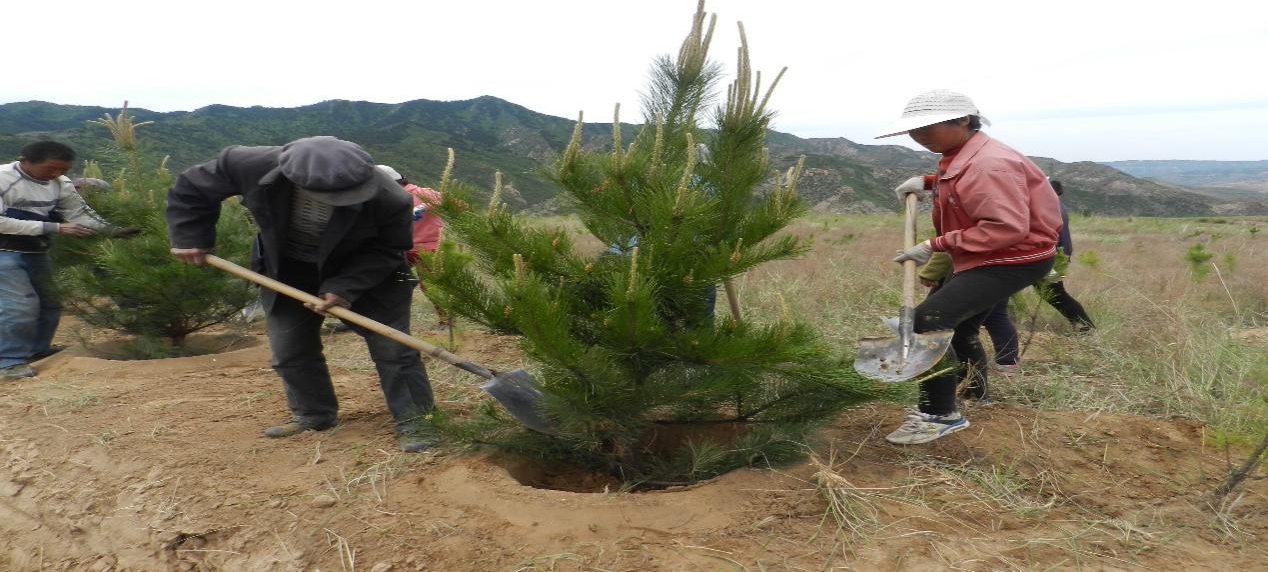
Dongkouzi Village follows President Xi Jinping’s idea of “lucid waters and lush mountains are invaluable assets”, considers the reality of ecological fragility and backwardness, and attaches equal importance to targeted poverty reduction and ecological management. The Party Committee Secretary took the lead to adopt the “party branch + village committee + company + cooperative + rural households” model, and organized 33 poor households to establish the first poverty reduction afforestation cooperative in China. They carried out an afforestation pilot program on 1000 mu of land in the village, and explored a series of ecological conservation poverty reduction and afforestation models such as purchase-based afforestation, afforestation with forest asset revenue, purchase-based management and protection, sea-buckthorn industrial development, and joint-improvement of poverty reduction afforestation cooperatives. Thus, realizing organic combination of ecological development and poverty reduction and achieving win-win results. First, the cooperative encourages and guides poor households to participate in afforestation to increase their income. Competent persons take the lead to establish poverty reduction afforestation cooperatives that was participated by poor households. Also, the government encourages direct afforestation tasks and funds poor villages and households to increase the labor capacity and participation in afforestation programs. When the forest meets the acceptance standard, the government repurchases the forest, in the form of social service purchase, to bring profits to poor households.
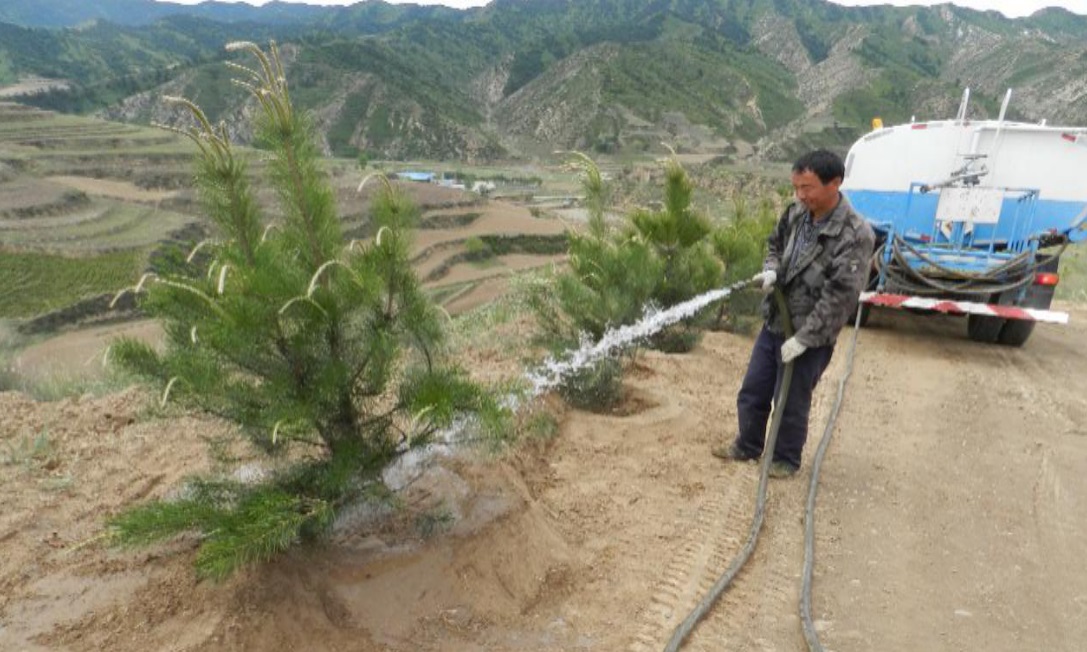
Second, the cooperative innovates new forestry asset return mechanisms to bring more profits to poor households. The cooperative innovates the afforestation mechanism that allows forest management right to be quantified and used for equal shareholding of the cooperative and carries out afforestation enterprise pilot programs. It grasps the opportunity of the new round of returning farmland to forests and realizes the separation of land ownership, contracting right and management right through uniform land transfer, unified stock equity participation, and unified enterprise management. With these measures, it transforms resources into assets, capital into stock equity, and poor households into shareholders. While poor households can enjoy the subsidies on returning farmland to forests, they entrust their stock rights to the village collective shareholding, quantifying their management rights into company shares. Also, the land is used to plant high-quality sea-buckthorn and villagers can receive at least 6% of the business revenue as dividend. Thus, the villager’s income is doubled.Third, the cooperative carries out purchase-based management and protection to provide jobs for poor households and increase their income. The village also established a poverty reduction forest management cooperative wherein registered poor households protect and manage the newly planted forests for a long period of time and assume the role of paid forest rangers and ecological protectors. With this, it increases their income and gets them rid of poverty.
Since 2016, Senshengcai Poverty Reduction Afforestation Cooperative of Dongkouzi Village has carried out about 1,350 mu (90 hectares) purchase-based afforestation, undertaken about the land size of 5538.2 mu (369 hectares) forest asset return programs and achieved annual income of 800,000 yuan. Members of the cooperative have increased their per-capita annual income by 5,000 yuan, and over 300 poor households participated in afforestation have increased their per-household income by more than 4,000 yuan.
Over the years, Lanxian County has established 102 similar afforestation cooperatives, which carried out about the land size of 329,700 mu (21,980 hectares) afforestation programs. These programs cover 1,677 registered poor households in 121 villages in 12 counties and towns, and increased per-capita income by 4000 yuan for 5,155 poor villagers. By organizing poor villagers, the cooperative has improved the level of organization, and over 1,700 households have changed the situation of isolation, learned skills from the cooperative, strengthened their capacity to fight against poverty, and increased their income. The cooperative has boosted the indigenous power of the poor people and strengthened their confidence to become rich. More and more poor households in Lanxian are participating in these cooperatives to increase their income and change their lives.